September has been another busy month here at Three Copse...
find out more
Our September woodland diary takes you through another busy month at Three Copse Woodland Products, with plenty going on around the woodland, in the workshop and out and about. We’ve even managed to squeeze in a cheeky trip to one of the biggest forestry shows in the UK!
So, sit back, grab a cuppa, and come for a wander through some of the highlights — and a few of the lowlights — from our month.
There’s woodland work, machinery, traditional crafts, shows, a bit of wildlife and, as always, a few unexpected challenges along the way.
Welcome to our September Woodland Diary.
Here at Three Copse Woodland Products, we run a mixture of machinery, from our AGT 835T compact tractor and little 1.5-tonne forwarder through to our larger Ford and 8-tonne forwarder.
When something breaks, we therefore have to be able to turn our hand to repairs. Unfortunately, as we’ve discovered on more than one occasion, things don’t always go quite as smoothly as we would like!
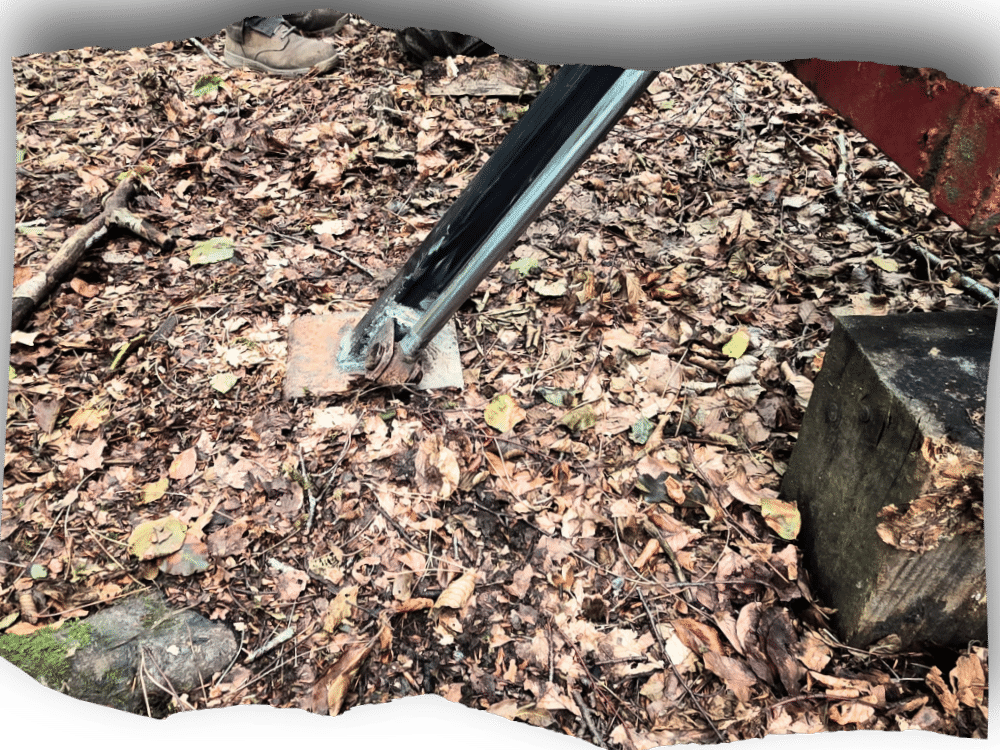
A couple of months ago, during a routine inspection, we noticed that one of the support legs on our little 1.5-tonne forwarder had developed a stress crack along an old repair. On closer inspection, it turned out to be rather worse than we had first thought. The decision was made: rather than attempt another repair, it was time to build a completely new leg.
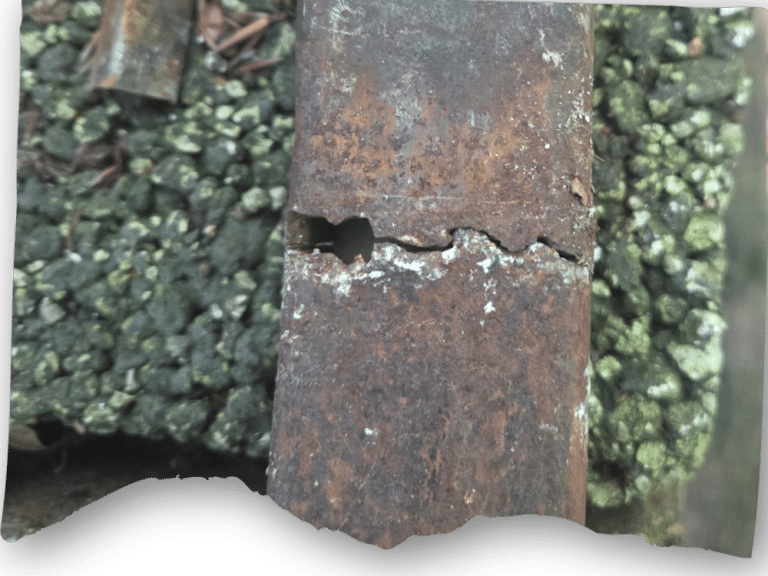
We ordered a new section of steel box section, but, as these things often do, time slipped by. Before we knew it, September had arrived and David needed our help in the coppice with the forwarder. So, with the machine needed back in action, we finally set about making the new leg.
The job mainly involved cutting the new box section to size and removing the base foot and U-section from the old leg so that they could be reused.
Then the fun began.
We do have a welder here at Three Copse HQ, but it doesn’t get used all that often. And, as you may have guessed, this is where things started to go slightly wrong.
Our welder is a gasless MIG machine, using flux-cored wire which is fed to the welding head by a small motor. Except, on this occasion, the motor decided it really didn’t want to do that. In fact, it simply sat there going click.
A bit of investigation showed that one of the relays wasn’t receiving any voltage. A little more investigation pointed to a bad solder joint on the main circuit board.
John, being an electrical engineer and a dab hand with a soldering iron, set about sorting that out. Success! Well… sort of.
The result was a louder click, but still no action from the welder.
Eventually, we discovered that the wire-feed motor itself had probably seized up. Given the age of the machine and the likely cost of repair, it simply wasn’t worth fixing.
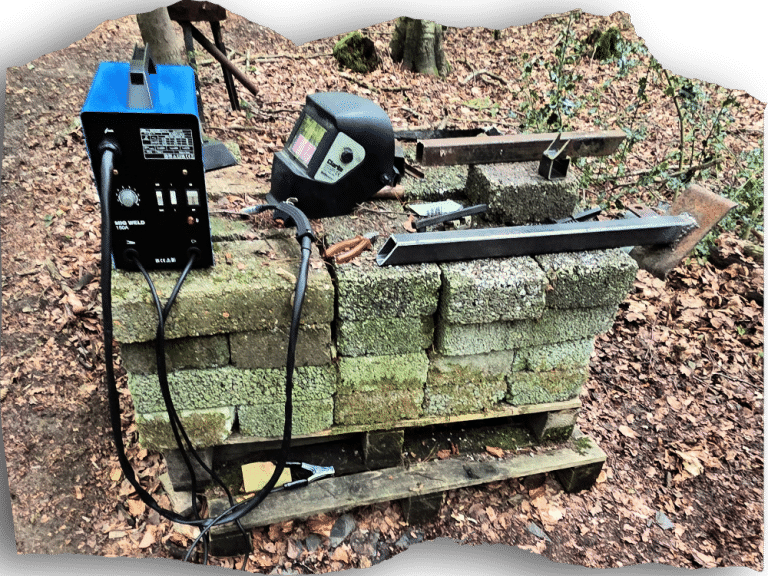
So, after all that, we bought a new welder!
With the new welder in place, the new leg was finally completed and ready to fit. We duly fitted it, and our little forwarder was once again back on the AGT 835T, ready to get back to work in the coppice.
Sometimes, repairing machinery is straightforward. Sometimes it involves electrical fault-finding, soldering, a lot of head-scratching… and eventually buying another piece of machinery!
But at least we now have a working forwarder — and a new welder for the next repair job.
The title of this particular section started as a joke between Kester and David after the weather took a particularly nasty turn on us, throwing both wind and rain our way.
So, cue a day in the workshop for the two of them.
David has an array of tools that he uses in the coppice, most of which, if they had sheaths when they were new, have long since been mislaid — probably sometime around when Noah was a lad!
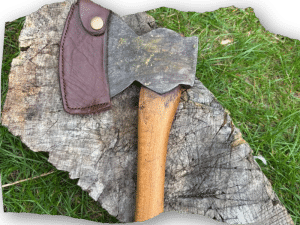
One tool in particular, David’s Kent-pattern side axe, had already had some attention from our wetstone and was now most definitely sharp. And, as we all know, sharp tools need protecting.
David had previously cobbled together a sheath from some old sofa leather, but with the axe now sharp enough to shave with, 0.5mm leather really wasn’t going to keep this stunning piece of history away from things it shouldn’t be getting near.
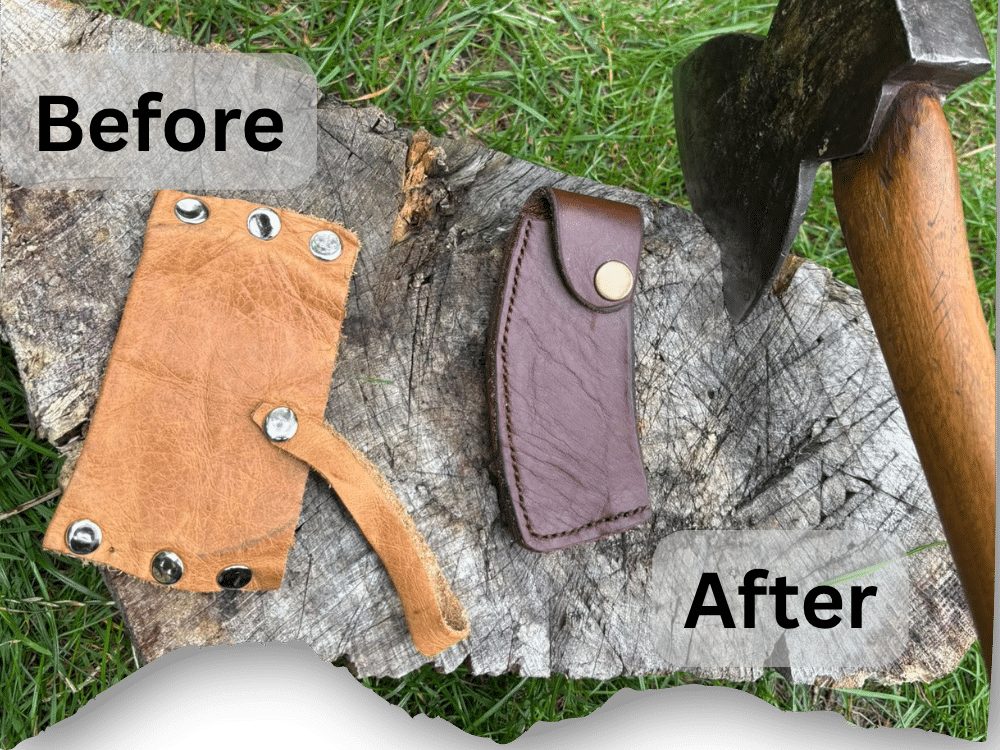
So, the lads set about making a proper sheath for it from first principles, starting by marking around the axe and working out the shape from there.
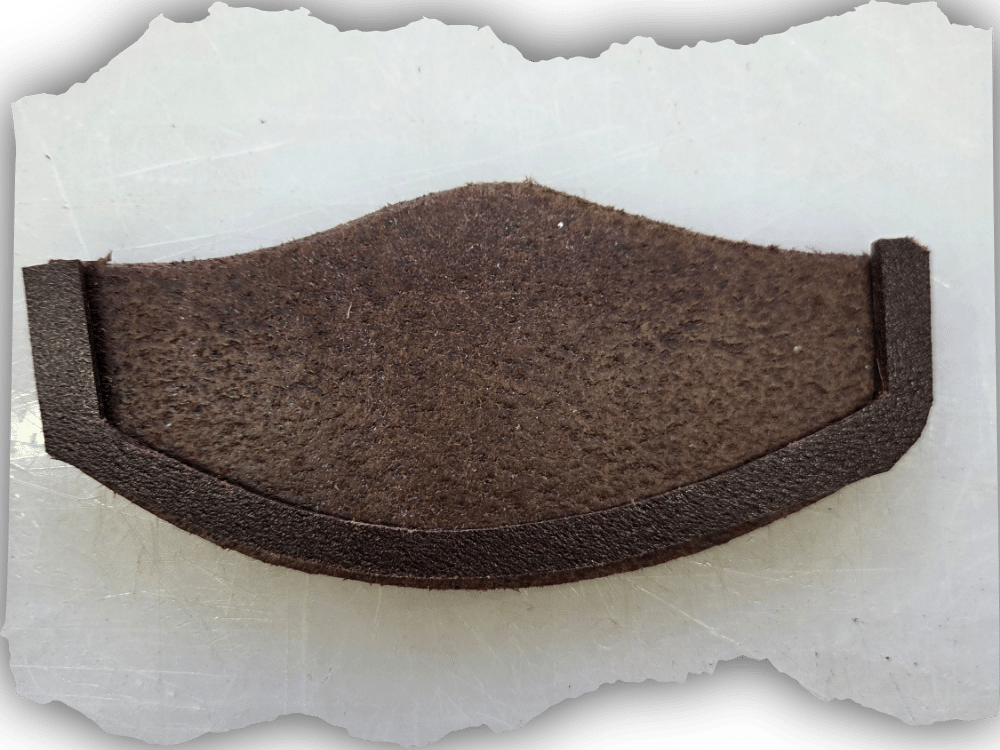
A good sheath needs a good welt too. The welt sits between the two pieces of leather and, importantly, keeps the sharp edge of the axe away from the stitching.
It’s one of those small details that you might not notice, but when you’re making something to protect a very sharp axe, it’s rather important!
Once the leather is cut out and the welt fitted, we get to the technical bit — stitching it all together.
And for this, there really is only one option: saddle stitch.
It is strong, traditional and, when done properly, just what you want when you’re making a sheath for a very sharp axe.
If you want to know a little more about saddle stitching, take a look at our YouTube video on the subject.
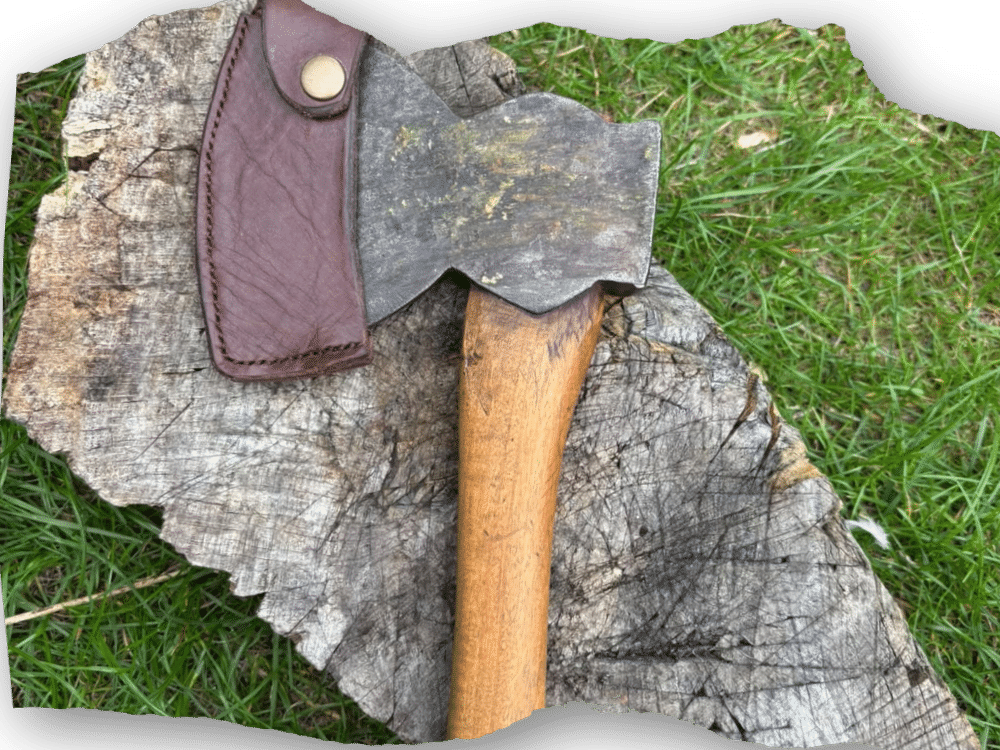
As you can see from the pictures, the new sheath is a whole lot better than the one David had been using and should stand up to life in the woods for many years to come.
A sharp axe deserves a good sheath — and we reckon David’s Kent-pattern side axe now has exactly that.
September saw John and Chris heading off to the APF, the UK’s biggest forestry show. Held every two years, the APF is a huge gathering of everything forestry, from traditional woodland crafts and demonstrations to some seriously impressive—and seriously expensive—forestry machinery.
This year marked the 50th year of the APF hence the cake.
For those of us who spend much of our time working in coppice, it isn’t quite our natural habitat, but there was still plenty to see and, more importantly, quite a few people we wanted to catch up with.
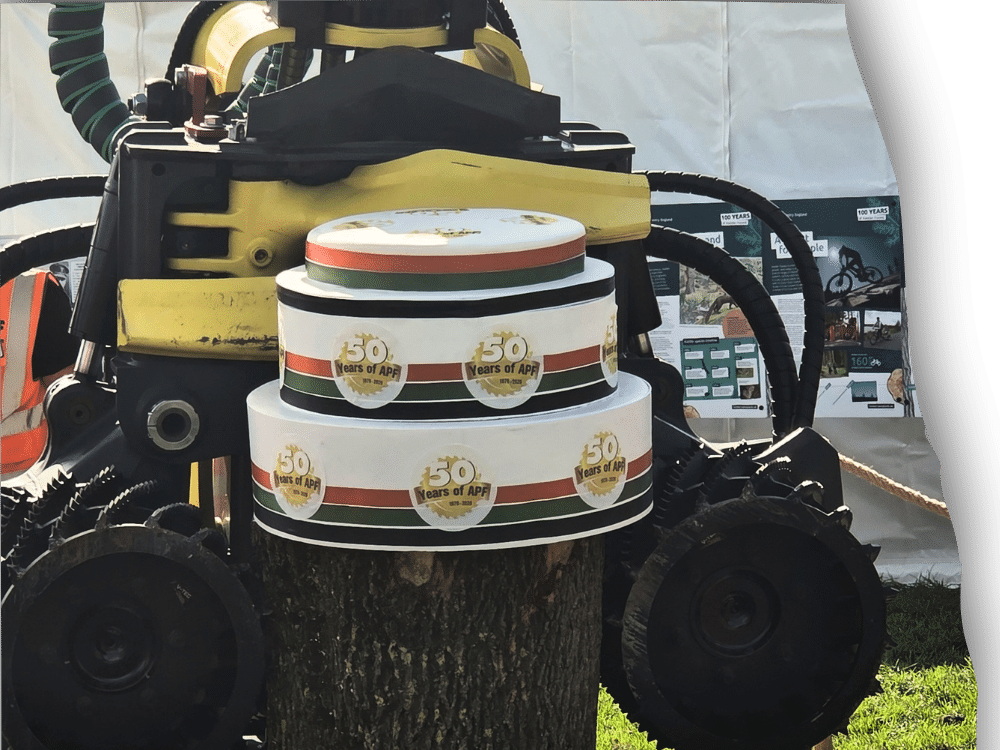
John and Chris had worked out beforehand who they wanted to see and where they were located, which meant they managed to get around most of the show without having to walk every single mile of it!
Starting with the craft area, where they caught up with Owen Jones, who was demonstrating the making of oak spelk baskets. There were also several members of the Association of Pole Lathe Turners and Green Woodworkers (APT) demonstrating their crafts, including hurdle making and pole-lathe turning.
It is always good to see traditional woodland skills being demonstrated at an event dominated by modern forestry machinery. These skills may be on a much smaller scale, but they are still very much part of the story of working woodlands.
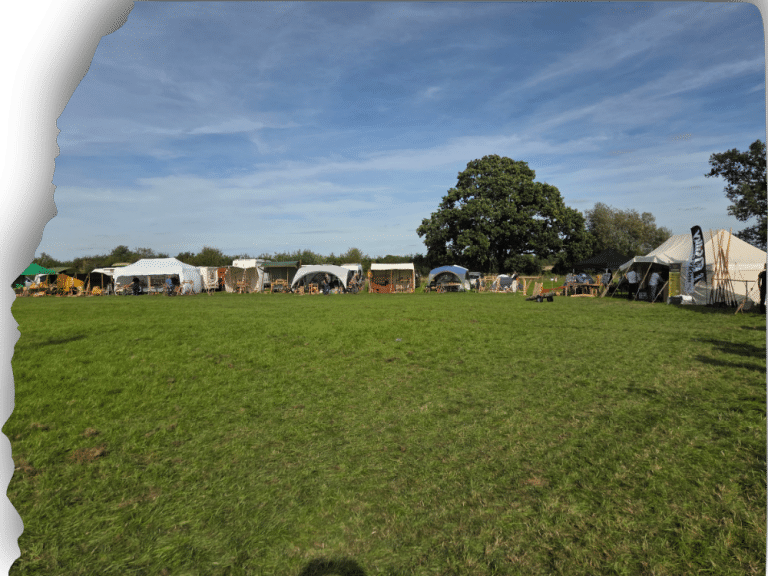
From there we headed over to see the people behind the Exeter retort kiln. As we use Exeter retorts ourselves for our charcoal production, it was useful to have a chat and see what was happening with the latest developments.
We had also booked to attend the Confor AGM, so we made our way over there next.
Unfortunately, the meeting was taking place rather too close to some very large wood chippers! Despite the speakers having microphones, there were parts of the meeting that were somewhat difficult to hear.
Afterwards, Baroness Barbara Young, Chair of the Forestry Commission, gave a talk which we found particularly interesting. One of the things she discussed was the hope of simplifying some of the complications surrounding forestry grants and felling licences.
Anyone involved in woodland management will know that these processes can sometimes feel anything but straightforward, so anything that makes the system easier to navigate would certainly be welcome. Whether the hoped-for changes can be achieved remains to be seen.
It was a shame that the National Coppice Federation wasn’t able to have a stand at the show this year, as they couldn’t get enough volunteers to man it. Small Woods did have a small presence in the Forestry Workers tent, but there wasn’t a huge amount specifically aimed at coppice.
Of course, we couldn’t come home completely empty-handed!
One of the things we bought at the show was a pair of electric secateurs, which could prove to be a useful little tool for coppice work.
We’ve seen electric secateurs used for making pimps before, but thankfully the battery packs have become considerably smaller since then. These are only expected to run for around half an hour, but as they weren’t particularly expensive, having a second battery — should make longer periods of use practical.
We haven’t yet had a chance to properly test them on coppice rods to see how clean a cut they produce, but their main job will be making pimps. Cutting the birch for these by hand is a surprisingly tedious job, and the electric secateurs should make life considerably easier.
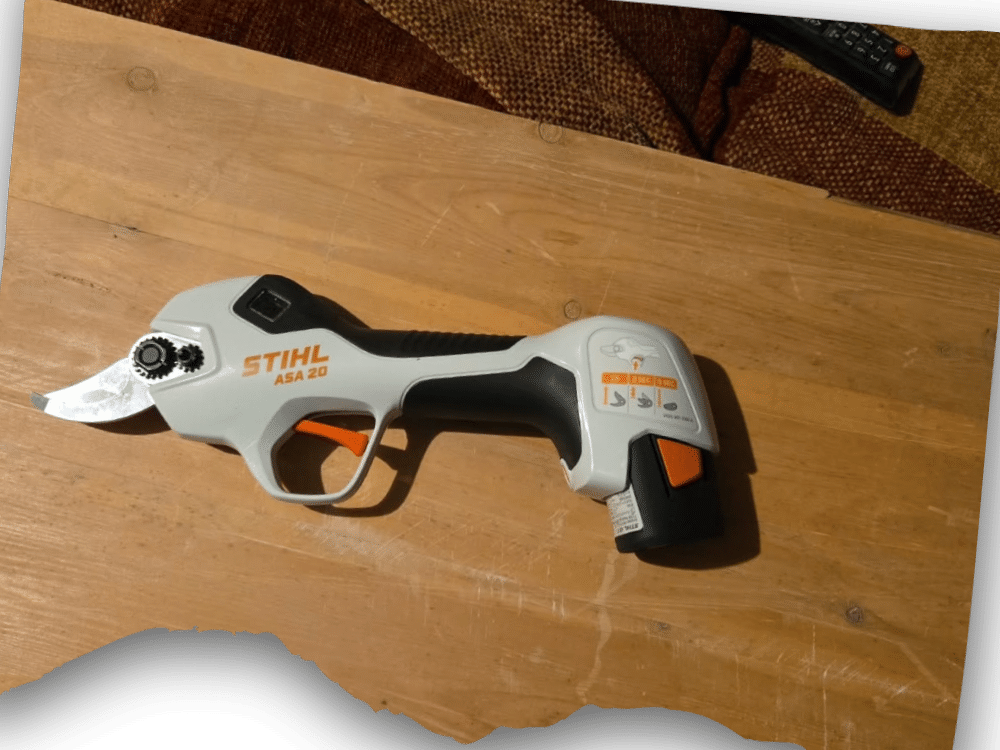
It also gives us another use for some of the birch that isn’t suitable for making besoms, along with small pieces of split hazel.
So, while the APF might be primarily aimed at the wider forestry industry rather than coppice workers, there was still plenty there to interest us—and, as usual, we came home with a few ideas and something new to try.
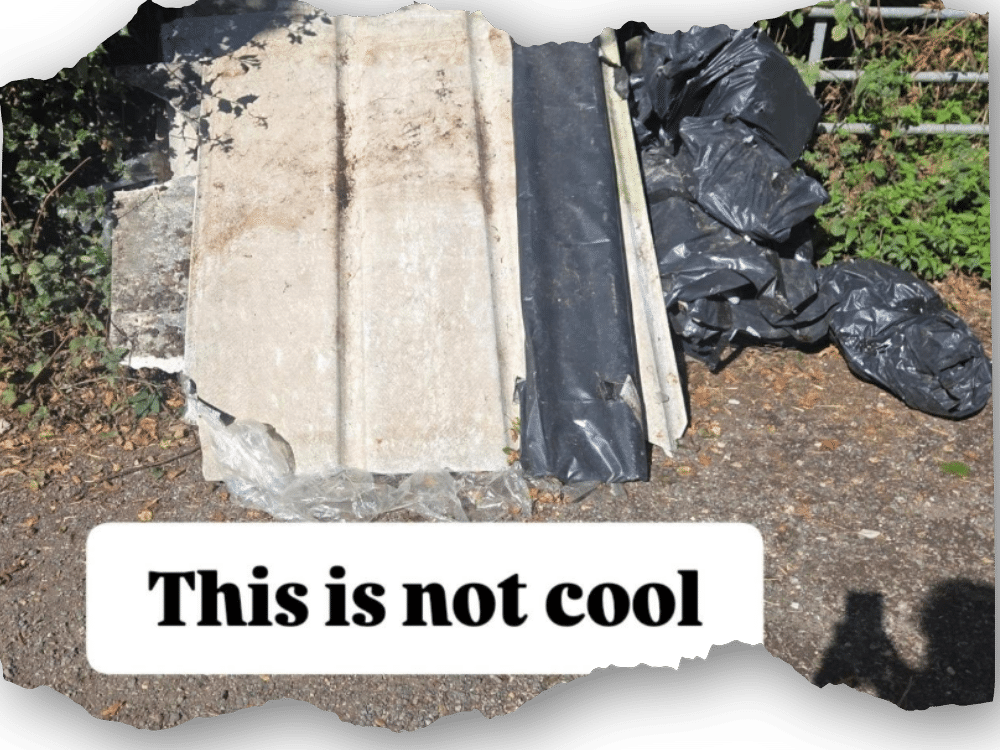
“This is not cool. Today we were made aware of some fly-tipping adjacent to #threecopsehq. Someone has just landed the local council with a £3-4k bill to clean up what was obviously someone’s old shed or garage roof.”
Sadly, fly-tipping in the countryside is a massive problem. On a daily basis we are seeing more and more of it appearing in our country lanes, tracks and byways.
Not only is it totally antisocial, it can put our countryside at massive risk — and we aren’t just talking about our wildlife here.
Fly-tipping can put wildlife at risk through injury and poisoning, but there is another risk that is often overlooked. Garden waste, for example, can carry pests and pathogens that can spread disease and cause serious problems for our native plants.
Unfortunately, one of the biggest problems is toxic waste such as asbestos.
Asbestos-containing materials have no place dumped at the side of a country lane. Aside from the cost of having it safely removed and disposed of, there are very real risks associated with disturbing asbestos-containing materials.
So please, if you have waste that needs disposing of, use the proper channels. Don’t leave it for someone else — and especially don’t leave it in the countryside.
Our woods, wildlife and countryside deserve better.
No posts found!
September has been another busy month here at Three Copse...
find out moreWoodland Diaries – August 2026 find out more about the...
find out moreNew courses and dates available